Software buying guides, minus the jargon
What business software really costs, how to choose it, and the traps vendors don't advertise. Written from deep research, not press releases.
Email Marketing

Best Email Marketing Software for Agencies
Agencies don't have one list — they have a dozen, each belonging to a different client. That breaks the normal pricing math and makes sub-accounts, sender isolation, seats, and white-labeling the real selection criteria. Compare the platforms that survive agency life.

Best Email Marketing Software for Beginners
Beginner-friendly email software isn't the one with the most features — it's the one whose editor, automation ceiling, and billing model you won't outgrow or misunderstand in year one. Here's how MailerLite, Brevo, Kit, Mailchimp, and Sender compare on those mechanics.
Best Email Marketing Software for Ecommerce Small Businesses
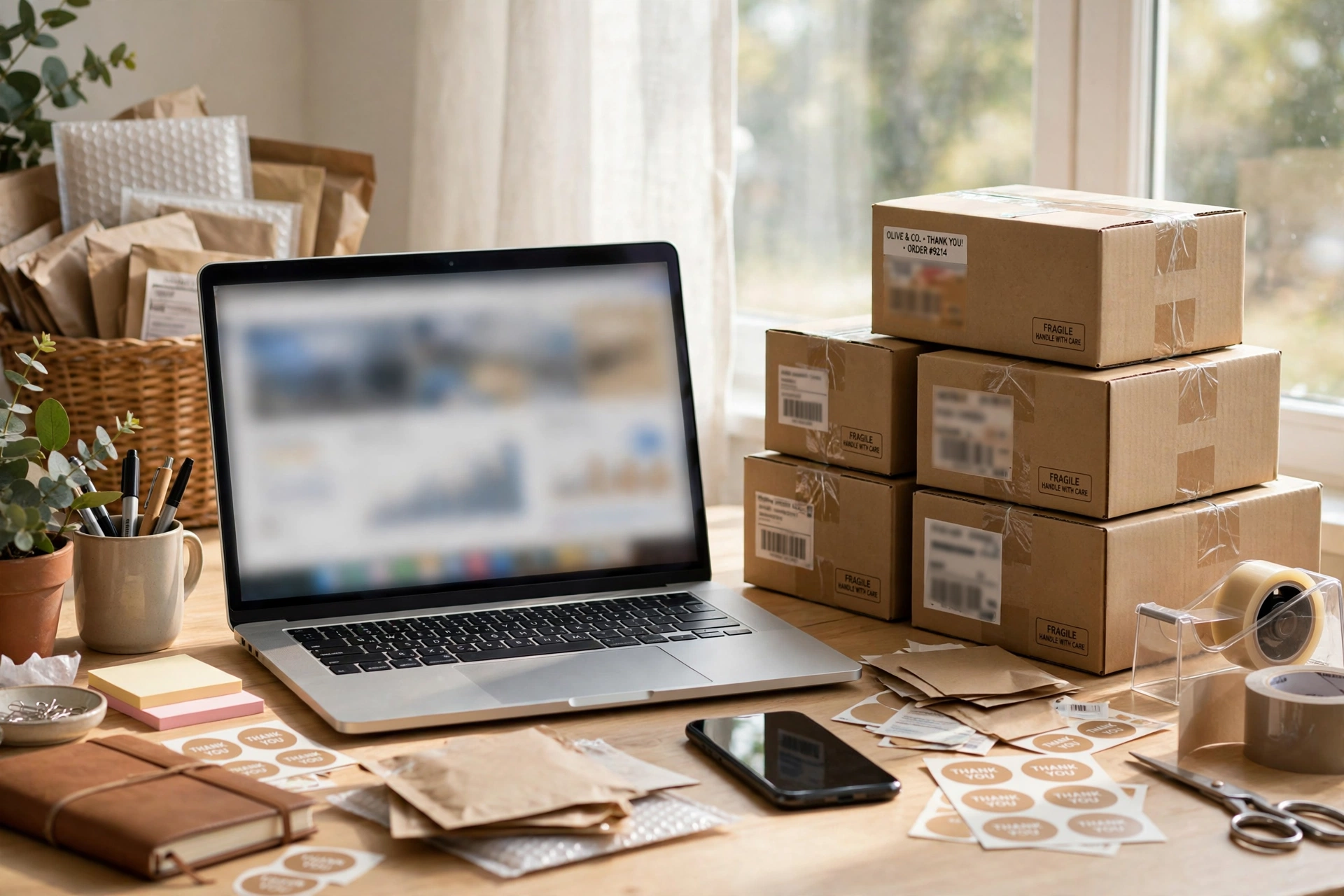
For an ecommerce store, email isn't a newsletter channel — it's a second sales floor. Abandoned cart recovery, post-purchase flows, and product feeds decide which platform you need, not the editor.

Best Email Marketing Software for Nonprofits
Nonprofits turn attention into donations, not orders — and nearly every major platform discounts for charities, which changes the pricing math entirely. Compare the real prices after nonprofit discounts and pick the platform that fits your donor journey.
Best Free Email Marketing Software for Small Businesses
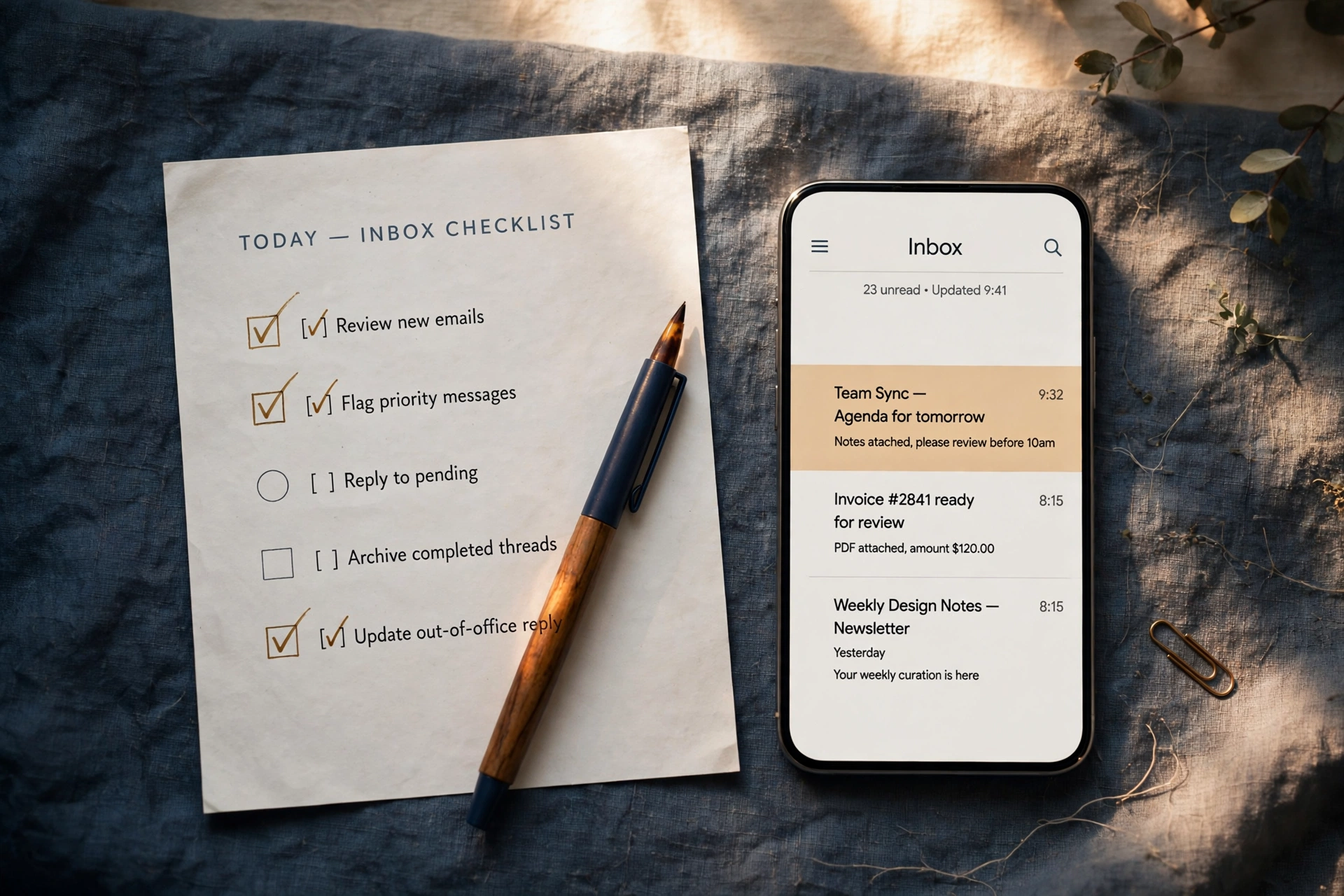
The best free email marketing software for a small business is MailerLite for most starting lists, Brevo if you hold a big list you mail rarely, and Sender if you want to stay free longest — but every free tier caps you on contacts, sends, features, or branding, and which cap binds first decides the pick.

The Cheapest Email Marketing Software for Small Businesses
The cheapest email marketing software for a small business is Sender, Moosend, Brevo, or MailerLite — but which one costs least depends on whether you are billed per contact or per email sent, and what the free tier actually lets you do.
How Much Does Email Marketing Software Cost in 2026?
Email marketing software costs $0–$40/month to start, but the real price depends on your list size. Here's what 10 popular platforms actually charge, plus the hidden costs vendors don't advertise.
How Much Does Mailchimp Cost in 2026?
Mailchimp costs $0/month on Free (250 contacts), $13/month on Essentials and $20/month on Standard at the smallest paid tier, rising with your contact count. Here are the current plans, the full price table by list size, and the billing rules that quietly inflate the invoice.
How Much Does MailerLite Cost in 2026?
MailerLite costs $0/month to start, $12/month on Comfort and $25/month on Power at the smallest paid tier. Here are the current Free, Comfort, and Power plans, the full price table by list size, and what changed in the 2026 pricing overhaul.

How Often Should a Small Business Send Marketing Emails?
The honest answer is 'it depends on your data' — but start with one email per week, then use your unsubscribe rate and engagement to find your ceiling. Here's the framework.
How to Choose Email Marketing Software for a Small Business
Don't start with feature lists. Answer five questions about your list, your sending habits, and your growth plans first — the right email platform follows from the answers.

Kit vs MailerLite: Which Email Platform Is Right for Your Business?
Kit gives you 10,000 free subscribers — the most generous free plan in email marketing — but its paid plans cost roughly double MailerLite's at every tier ($89 vs $49/month at 5,000 subs). Kit wins if you sell products or paid newsletters directly from email; MailerLite wins if you want the cheapest path to polished broadcasts and automation.

MailerLite vs Brevo: Which Is Better for a Small Business?
MailerLite and Brevo are both budget-friendly email marketing platforms, but they bill you on opposite axes — subscribers vs. emails sent. Here's how that one difference decides the winner for your business.
MailerLite vs Mailchimp: Which Is Better for a Small Business?
MailerLite costs 30–50% less than Mailchimp at nearly every list size and bills only active subscribers — but Mailchimp counts unsubscribed contacts toward your tier and brings 300+ integrations plus stronger e-commerce tools. Here's the math that decides it.

What Is Email Deliverability (and Why Do Your Emails Land in Spam?)
Email deliverability is the percentage of your emails that actually reach inboxes — and spam placement is almost never random. Here's the filtering mechanism and how to fix it.
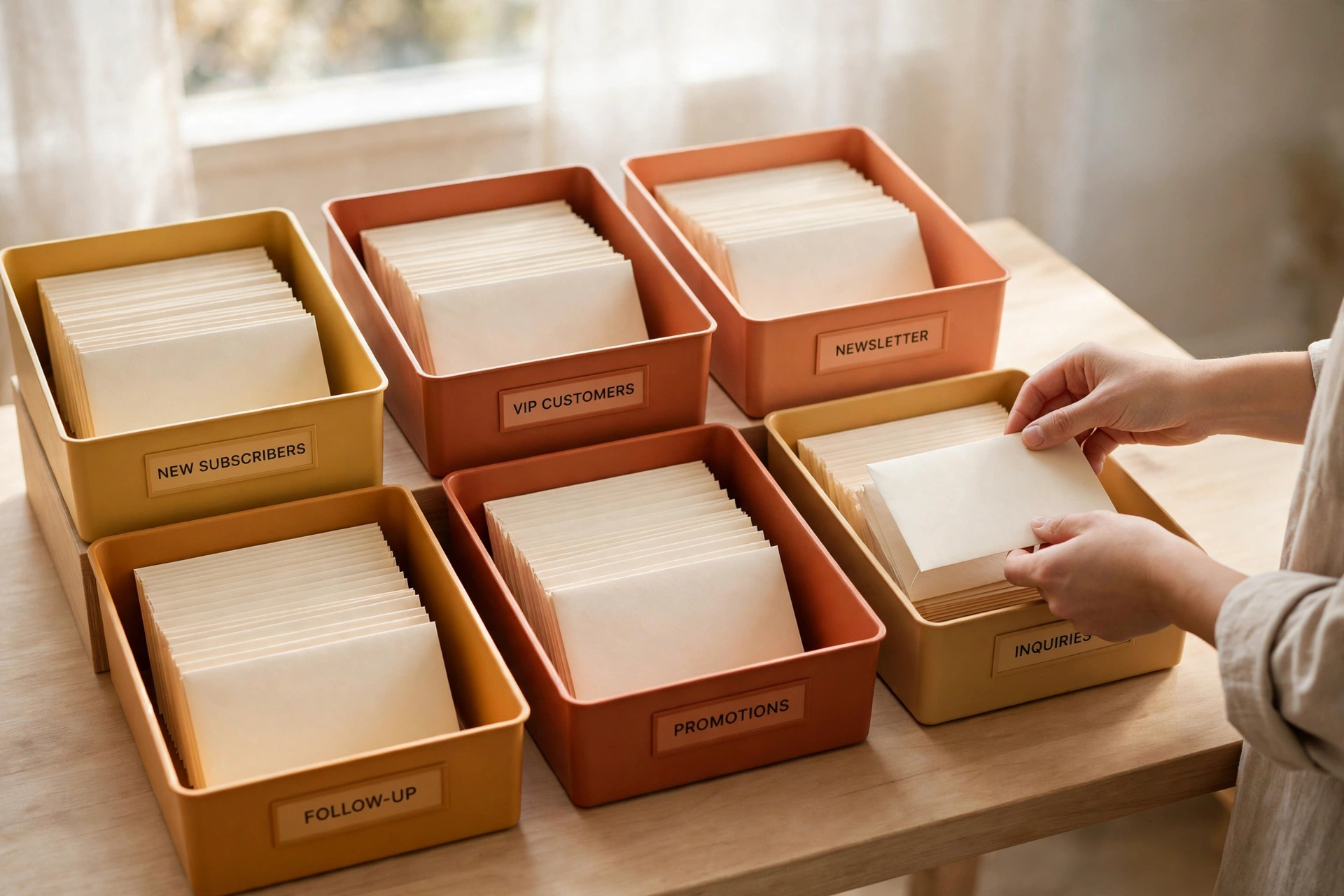
What Is Email Segmentation (and Why It Beats Blasting Everyone)?
Email segmentation is splitting your list into smaller groups and sending each group a message that matches where they are — it beats blasting everyone because relevance is what earns attention in a crowded inbox, and inboxes now reward that attention.
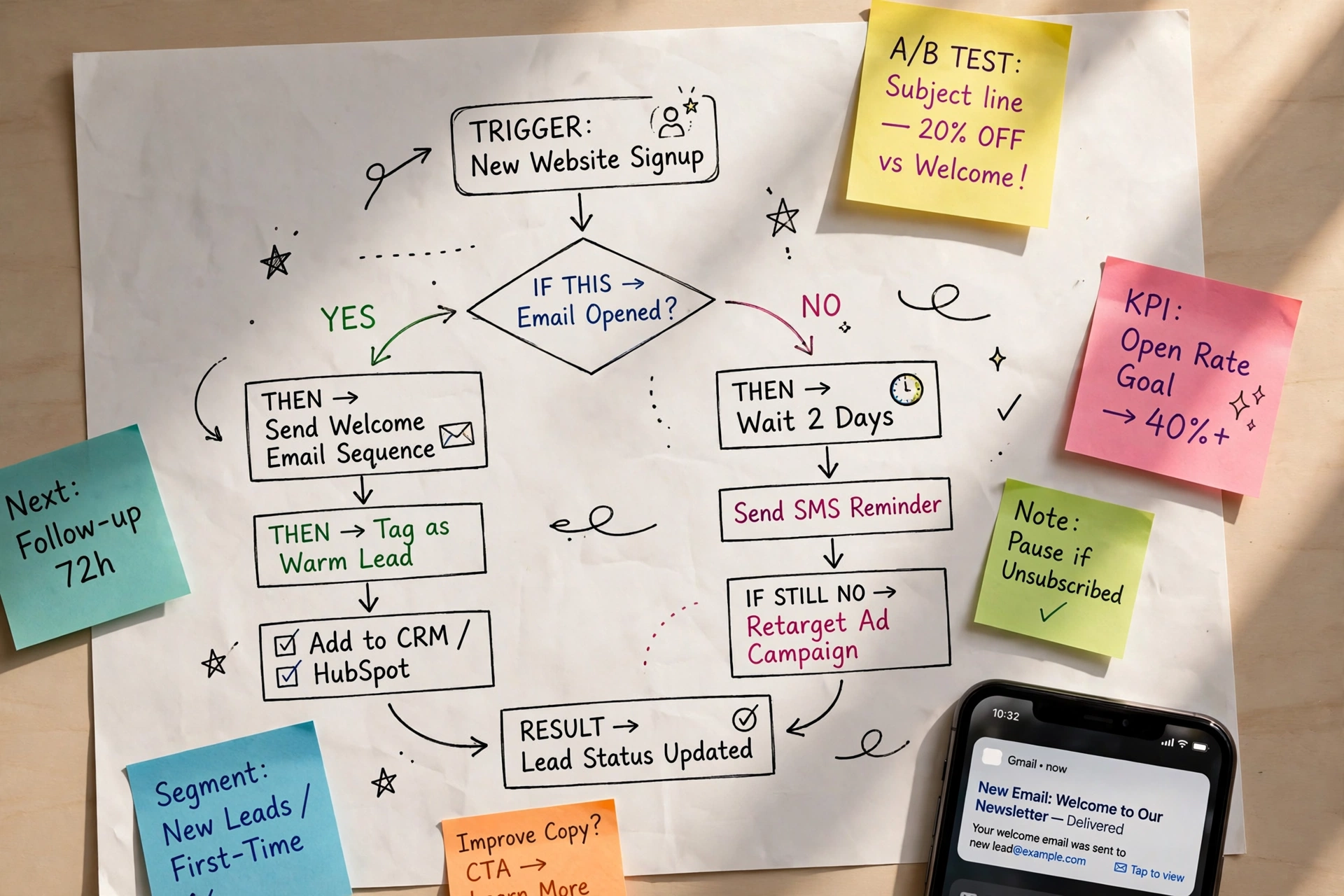
What Is Marketing Automation? A Plain-English Guide for Small Businesses
Marketing automation is an if-this-then-that engine for your marketing: software that watches what contacts do and responds with the right message automatically.
Accounting & Invoicing

Accounting Software, Explained in Plain English
Accounting software is a double-entry engine, a filing system, and three report generators in one. Here's how it actually works — and what it can't do — in plain terms.

Best Accounting Software for Freelancers
Freelancers need fast invoicing, expense capture, and clean tax-time exports — not payroll or staff permissions. FreshBooks, Wave, Zoho Books, and QuickBooks Solopreneur compared on price and fit.

Best Invoicing Software for Small Businesses
The best invoicing software shortens the create-send-track-get-paid loop without forcing a full accounting suite. FreshBooks, Zoho Invoice, Wave, Square, QuickBooks, and Stripe compared on price and processing fees.
Best Simple Accounting Software for Small Businesses
Simple accounting software trades reporting depth, multi-user controls, and built-in payroll for speed and clarity. Here is when that trade is right — and the four tools that do it best, priced and compared.

Cash vs Accrual Accounting: What Small Business Owners Actually Need to Know
Cash accounting records transactions when money moves; accrual accounting records them when the work happens. Here's how to choose — and the IRS rules that decide for you.

Do You Need an Accountant If You Have Accounting Software?
Accounting software records transactions; it doesn't exercise judgment. Here's where software ends, where accountants begin, and the cheapest way to cover each layer.
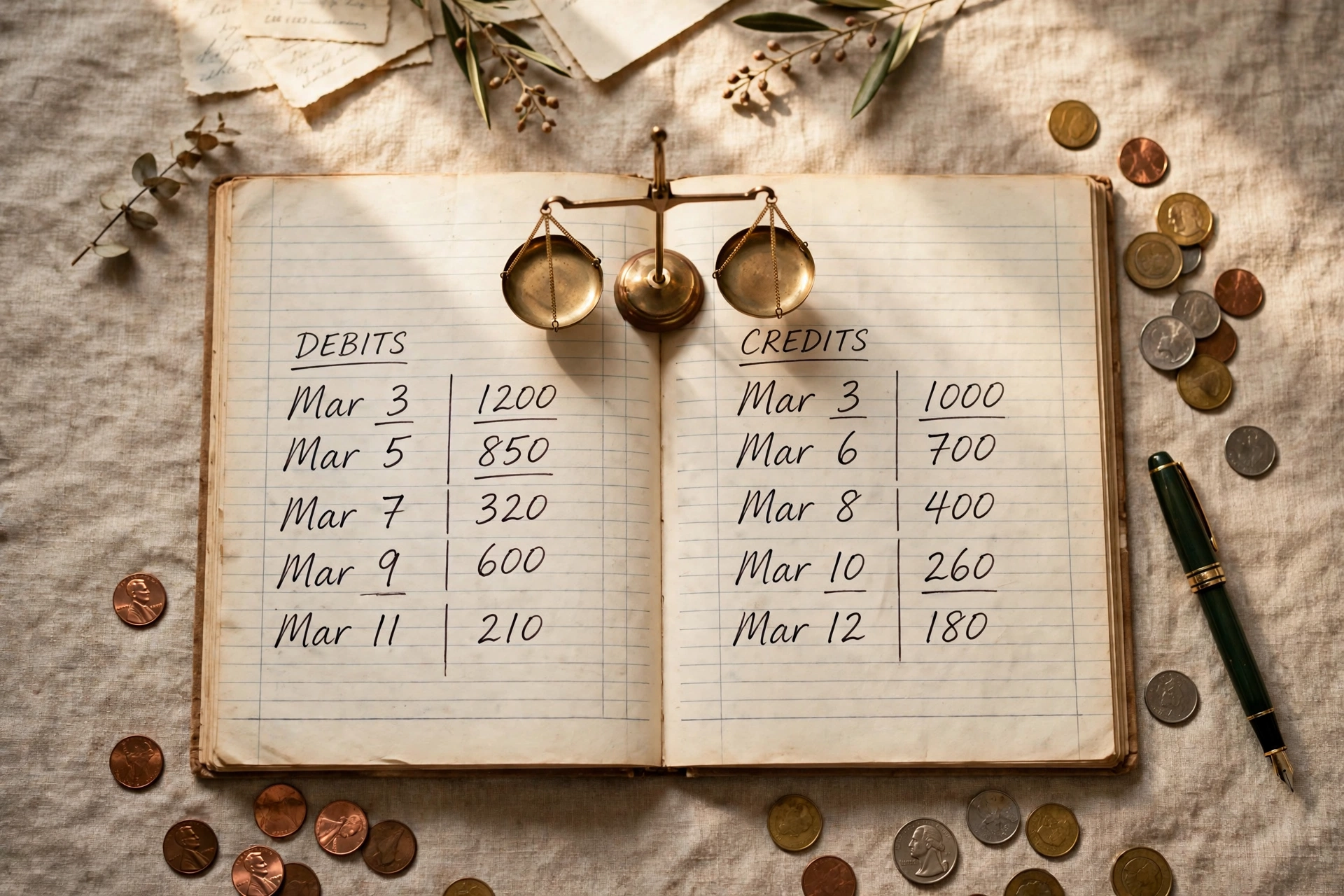
Double-Entry Bookkeeping, Explained Simply
Double-entry bookkeeping records every transaction twice so your books always balance. Here's the one equation behind it, worked examples, and why your software hides it.
FreshBooks vs Xero: Which Accounting Software Should You Pick?
FreshBooks is an invoicing system with accounting attached; Xero is a full double-entry ledger with invoicing attached. That one architectural difference — not the feature list — decides which one fits your business.

How Much Does Accounting Software Cost for a Small Business?
Accounting software costs $0–$40/month for most small businesses, but the sticker price hides payroll, payments, and seat fees. Here's what 6 popular platforms actually charge and what you'll really pay.

What Is a Chart of Accounts?
A chart of accounts is the master list of buckets every transaction gets sorted into — and every report you run is just those buckets regrouped. Here's how to structure one that stays useful at tax time.
CRM

Best CRM for Realtors (2026): Pick by Where Your Business Actually Comes From
The best CRM for a realtor is Follow Up Boss for teams buying online leads, Wise Agent at $49/month flat for budget-conscious solo agents, and HubSpot's free tier to start. Real Geeks bundles an IDX website from $399/month; Top Producer suits veteran agents at about $129/month. Compare real prices and which job each tool was built for.
Best CRM for Solopreneurs (2026): Pick by the Work You Actually Sell
The best CRM for a solopreneur is HubSpot free ($0) to start, Bigin at $7/month for the cheapest real pipeline, Pipedrive Lite at $14/month for active sellers, Less Annoying CRM at $15/month flat for zero learning curve, and HoneyBook Starter at $29/month for service sellers who need proposals to invoices. Compare real 2026 prices and which job each tool does best.
Best Free CRM for Small Businesses (2026): 7 Free Plans, Ranked by What Actually Caps You
The best free CRM for most small businesses is HubSpot (genuinely free, 2 users, 1 pipeline), Zoho CRM for 3-person teams (3 users, 5,000 records), Agile CRM for headcount-heavy teams (10 free users), and Freshsales for the cheapest paid exit ($9/user). The catch: every free CRM caps seats, records, or features — and which cap binds first decides your pick.

Best Simple CRM Software for Small Businesses
A simple CRM is one your team opens without being chased. Here is what simplicity actually trades away, and the five tools that keep a small pipeline honest — priced for 1–10 seats.

Cheapest CRM for Small Businesses (2026): What $7–$20 Per User Actually Buys
The cheapest CRM for a small business is Bigin Express at $7/user/month (annual), with Agile CRM ($8.99), Freshsales ($9), and Copper ($9) close behind. But the entry price is rarely the real price: automation, the features that actually earn money, usually live one tier up. This guide ranks the cheapest usable CRMs by true first-year cost for a small team.
CRM vs Spreadsheet: When Should a Small Business Switch?
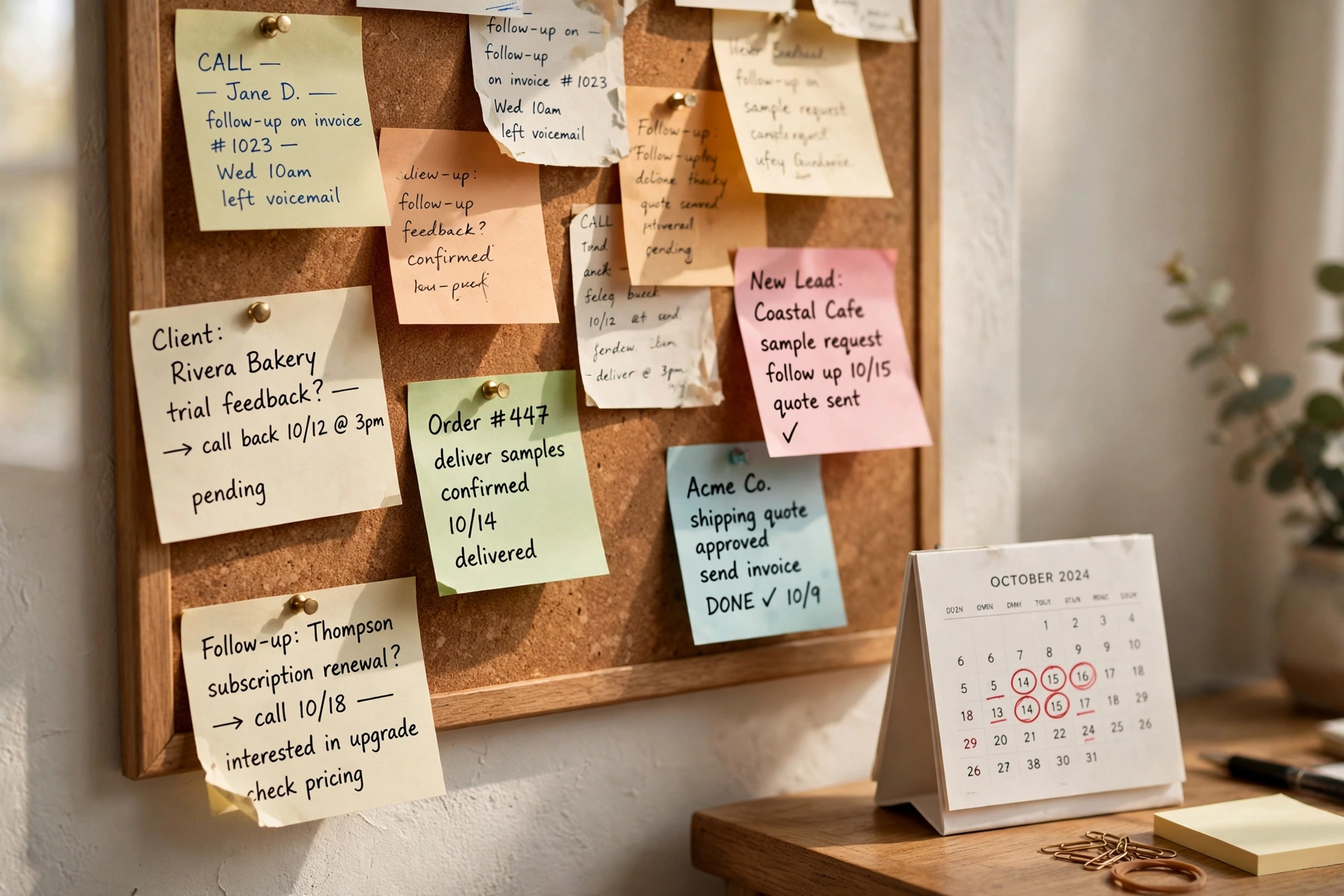
A spreadsheet stores rows; a CRM stores next actions. Here is what actually breaks as contact volume grows, and the signals that tell you it is time to switch.
Does Your Small Business Actually Need a CRM?
A CRM is shared, time-ordered memory of your customer relationships. Here are the five signals you need one, when a spreadsheet is still enough, and why most CRM projects fail.

How Much Does CRM Software Cost for a Small Business?
CRM software costs $0–$60 per user per month for most small businesses, but the license is the smallest line item — seat count, onboarding labor, and the adoption tax are where the real money goes.
How Much Does HubSpot Cost in 2026?
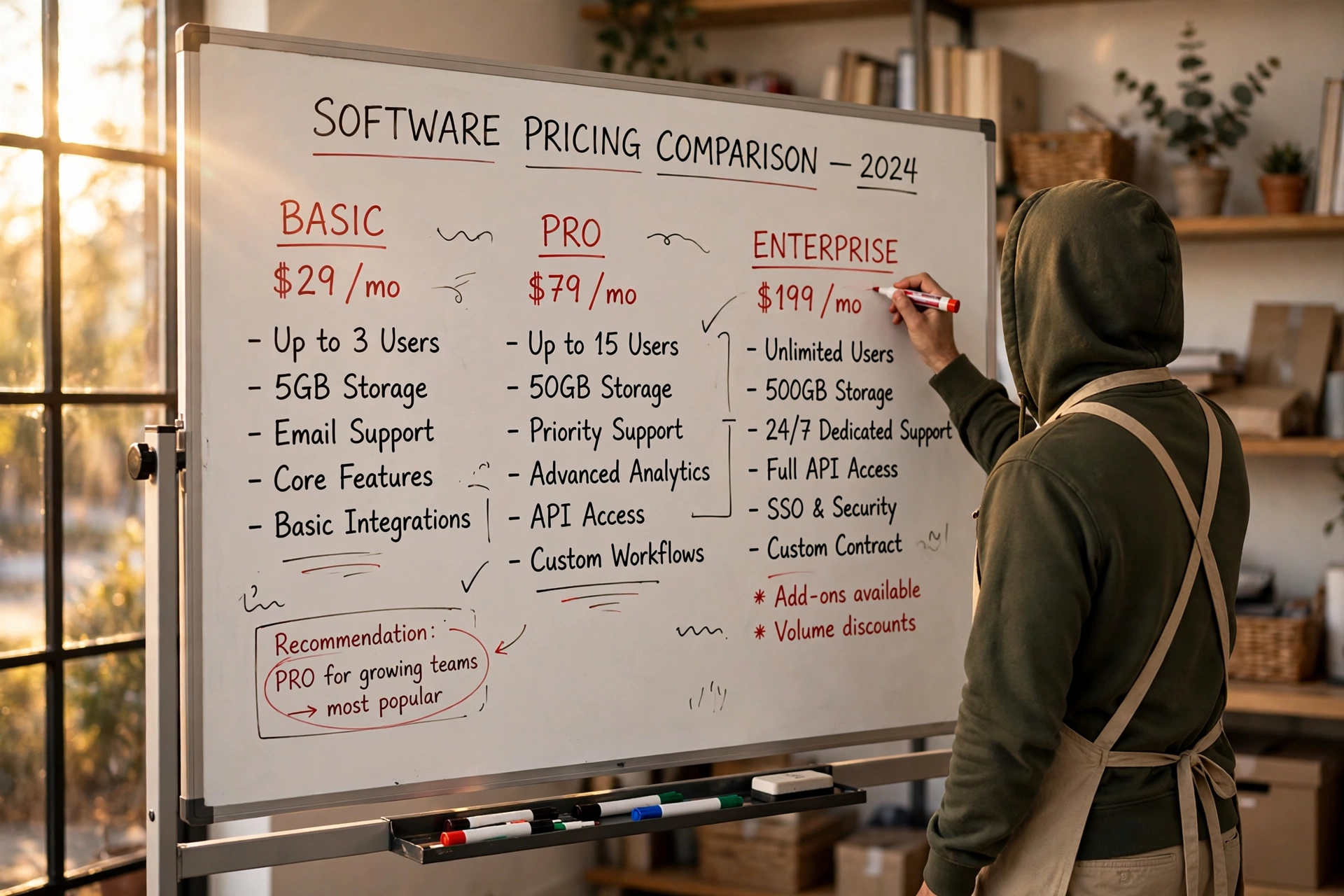
HubSpot costs $0 on the free tier (2 users, 1,000 marketing contacts), $9–$20/seat/month on Starter hubs, $800–$890/month for Marketing Hub Pro, and $150/seat/month for Sales and Service Enterprise — plus mandatory onboarding fees of $1,500–$7,000. Here are all the current prices, the seat-based model, and the renewal traps.

HubSpot Alternatives (2026): 9 Cheaper CRMs and Marketing Tools for Small Business
The best HubSpot alternative depends on which HubSpot you're replacing: Freshsales ($9/user) and Zoho CRM ($14/user) replace Sales Hub for less; Brevo ($9/mo) and ActiveCampaign ($15/mo) replace Marketing Hub. This guide compares 9 alternatives with 2026 pricing, free-tier terms, and the entry-tier traps that decide your real bill.

HubSpot vs Pipedrive: Which CRM Fits a Small Business?
HubSpot and Pipedrive answer the same question — 'what's the state of every customer relationship?' — with opposite architectures: contact-centric platform vs deal-centric pipeline. Which model fits your business decides the winner before price does.

HubSpot vs Salesforce: Which CRM Fits a Small Business?
HubSpot and Salesforce both promise one shared view of your customers, but they're built for opposite buyers: HubSpot is a self-serve platform the owner can run; Salesforce is an enterprise system that assumes an administrator. With Salesforce's 2026 tier restructure, the price and effort math changed — here's the current breakdown.
Pipedrive vs Zoho CRM: Pipeline Specialist or Whole-Business Suite?
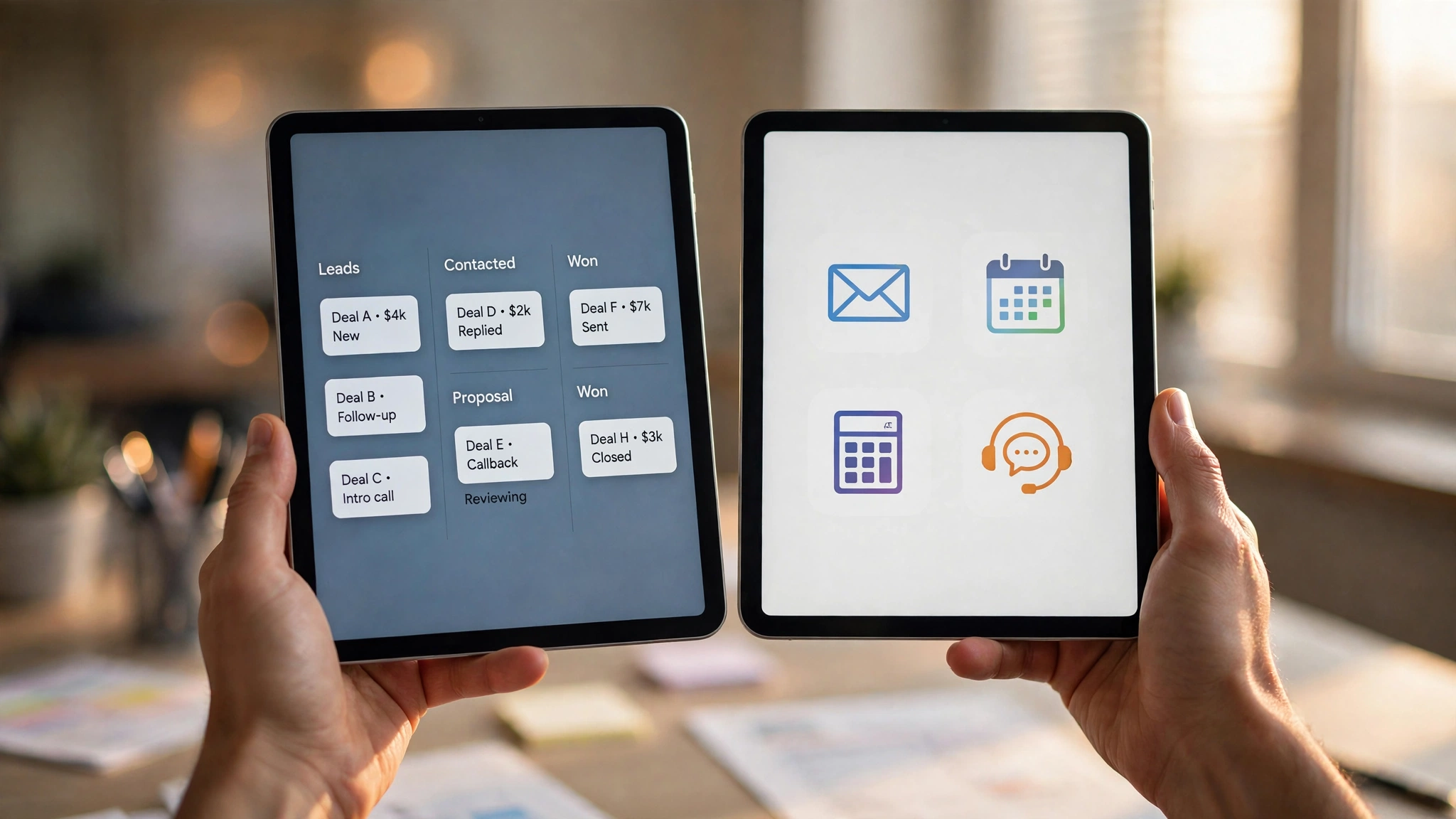
Pipedrive and Zoho CRM look like rivals but solve different problems: Pipedrive is a deal-centric sales engine with no free tier and a realistic entry of $39 per user per month; Zoho CRM is a $0-to-$52 ecosystem play inside a 50-app business suite. Which one fits depends on whether your bottleneck is selling discipline or software sprawl.

What Is a Sales Pipeline? A Plain-English Guide for Small Business
A sales pipeline is a visual model of every deal you're working, from first contact to signed contract — and the math behind it (coverage = 1 ÷ win rate) tells you exactly how much pipeline you need to hit your revenue target.

What Is Lead Scoring (and Does a Small Business Need It)?
Lead scoring ranks your leads so scarce follow-up time goes to the buyers most likely to close. Here's how it works, a simple manual version for small teams, and the point where it's overkill.
Project Management

Asana vs ClickUp: Which Is Better for a Small Team?
Asana sells legibility — a project anyone can read at a glance — while ClickUp sells depth: docs, time tracking, goals and sprints in one workspace, now under new plan names and prices. Here's which philosophy fits a small team, and what each really costs.

Best Free Project Management Software for Small Teams
The best free project management software for a small team is ClickUp for most teams, Trello if you want the simplest board, and Notion if your work lives in documents — but every free tier caps seats, storage, automations, or views, and the cap you hit first decides the pick.

Best Project Management Software for Agencies
Agencies sell hours, not tasks — so the real selection criteria are time tracking, budget burn, free client access, and per-client profitability, not task views. Compare the platforms built for agency work: Teamwork.com, Productive, ClickUp, monday.com, Asana, and Scoro.
Best Project Management Software for Remote Teams
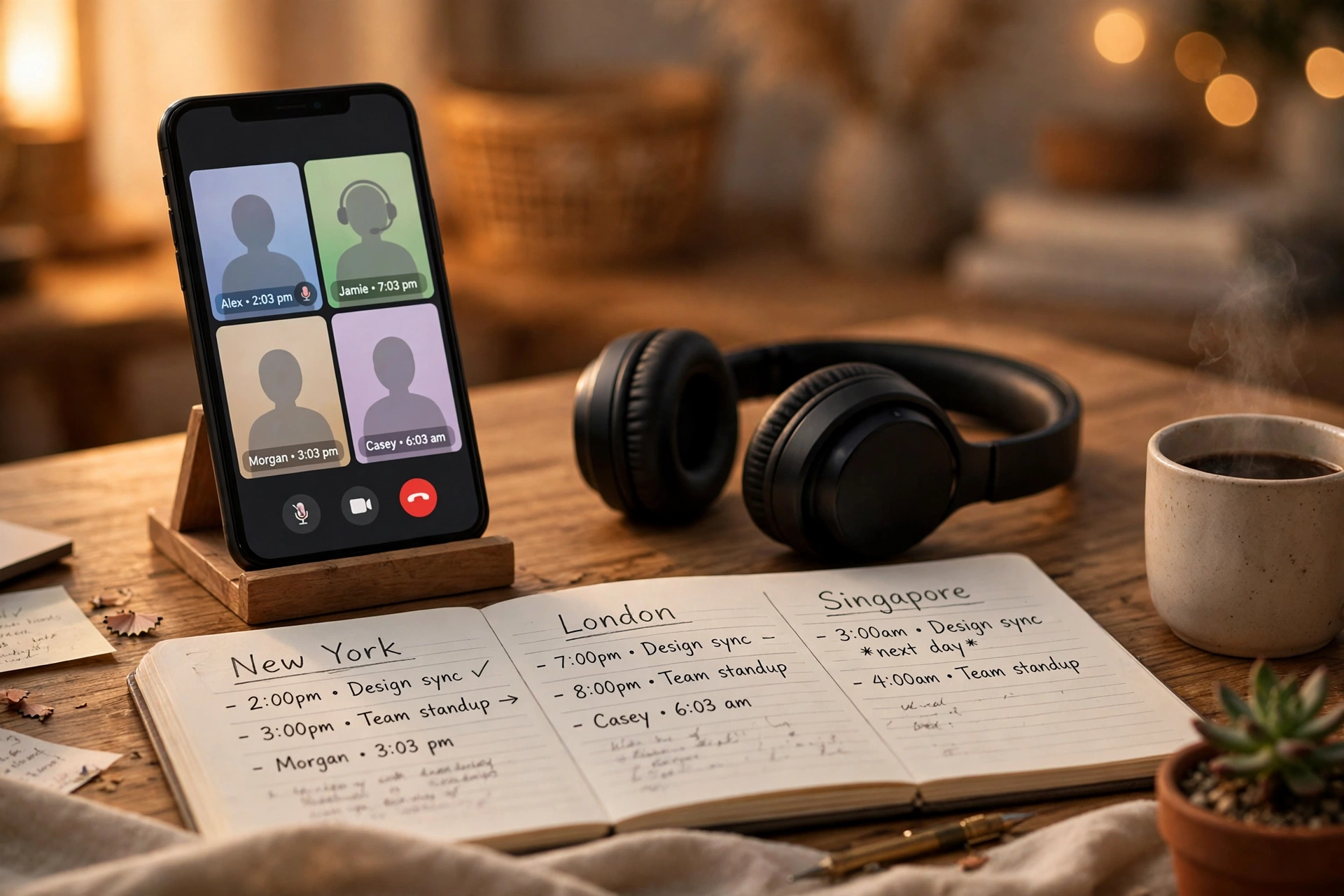
Remote teams don't need a prettier board — they need work that's legible without a meeting, deadlines that survive time zones, and status anyone can check async. Compare the platforms built for distributed work: ClickUp, Asana, monday.com, Notion, Trello, Basecamp, and Wrike.

Best Simple Project Management Software for Small Teams
The best simple project management software for a small team is Trello for a visual board, Todoist for a shared task list, and Notion for document-first work — because simple means a clear task model, minutes to onboard, and honest per-seat pricing.

Free Project Management Software: What's the Catch?
Free project management plans are real, not trials — but they're engineered so the limits land exactly where a growing business feels them: seats, views, automations, storage, and the cost of leaving.

How Much Does Project Management Software Cost for a Small Business?
Project management software runs $0–$15 per user per month for most small teams — but seat minimums, feature gates, and annual billing can push the real bill well past the sticker price. Here's the honest math.

How to Choose Project Management Software for a Small Team
Don't start with feature lists. Answer five questions about your team's size, how your work is structured, and the tools you already use — the right project tool follows from the answers.

Kanban vs Scrum: Which Fits a Small Team?
Kanban and Scrum solve different coordination problems: continuous flow versus time-boxed commitment. Here's the core idea of each, where each breaks, and how a small team should choose.
Monday vs ClickUp: Which Is Better for a Small Team?
Monday sells visual clarity any teammate can read at a glance; ClickUp sells depth — docs, time tracking, goals and sprints in one workspace. Here's which philosophy fits a small team, and what each really costs.